Human error or system failure? What is known about the Urda train crash and what is still missing
First, the system that monitors trains from the track failed. The authority investigating the crash speaks of a chain of failures in which the barriers that should have prevented it did not work, and why they did not work is still unknown. According to recordings not yet authenticated, the control center had given the AVE an order whose compliance with the regulations is in doubt.
Updated October 30, 2026, at 17:45 (mainland Spain time). Ongoing story: the figures and what is known may change.
Update, November 10, 2026, 15:30 (mainland Spain time). Óscar Puente announced his resignation on November 3, without accepting responsibility for the cause (EFE), and the head of Adif left his post the next day (The Objective). Carlos Cuerpo is temporarily in charge of the Transport Ministry (EFE); as of 15:30 on November 10, after that day's cabinet meeting, we had found no appointment of a new head of Adif. The Integrated Data Center maintains 69 dead, a provisional figure, and considers all of them identified (CLM24). On November 10, 10 injured people were still in hospital in Castilla-La Mancha, 1 in intensive care (EFE); in Madrid there were 18, 1 in intensive care, on the 8th (CLM24). On November 6, the AITAT provisionally recommended that, when a fault in the main system forces trains onto the backup system on high-speed lines, they resume running «on sight» (EFE). According to EFE and elDiario.es, the AITAT does not say whether the «normal running» order broke the rules (we have not been able to open the document), and Adif's instruction COI 01/25 has still not been published. What this piece says about the minister, the victims and the injured dates from October 30.
Not one or the other
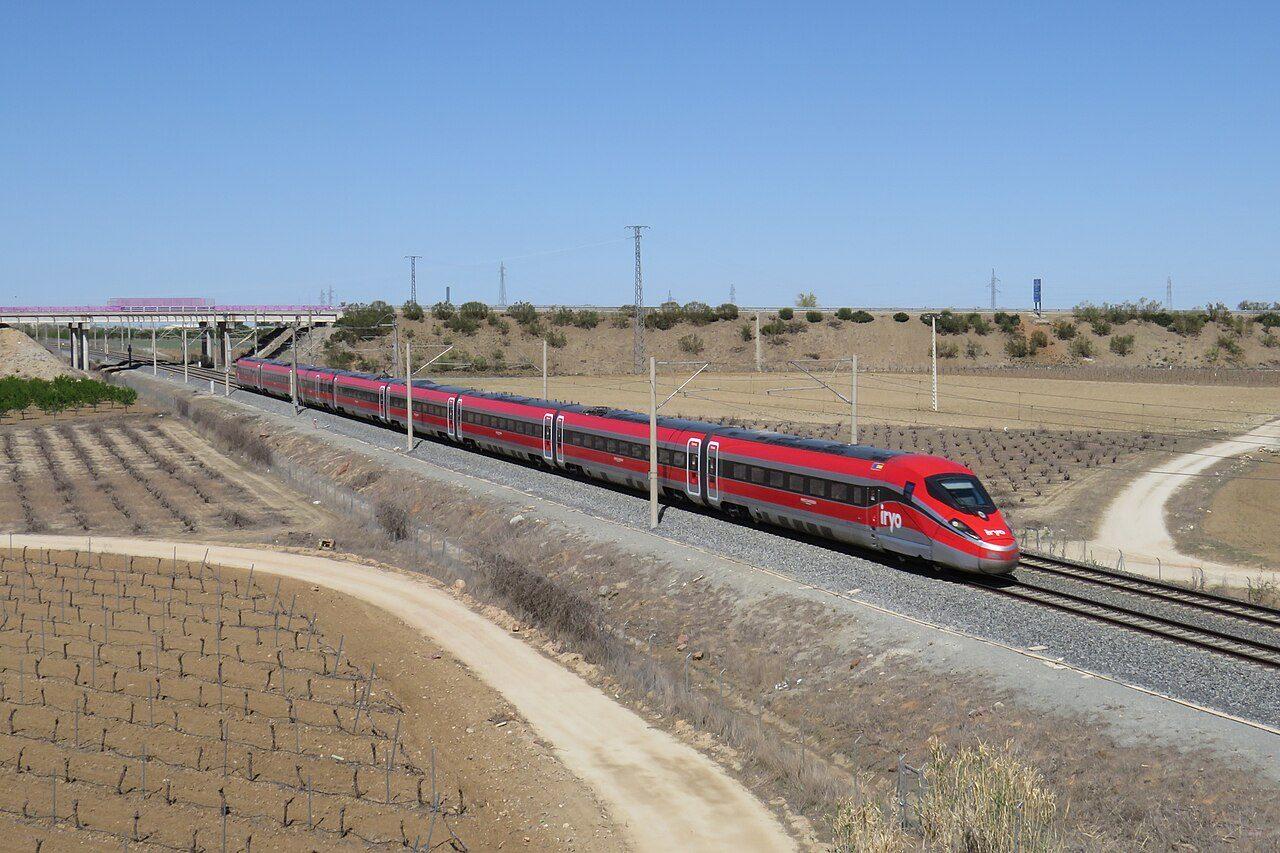
The Iryo train was stopped because of the system failure. The LZB outage stopped up to six trains on the line, including the Iryo train, which could not reconnect it (El Independiente). It was that fault that left the Iryo train stopped on the open track, waiting for an order to continue. Why it was still stopped when the AVE arrived is disputed between the minister and Iryo (see “The open questions”).
That is why “human error” and “system failure” do not exclude each other: they are part of the same sequence. The investigating authority speaks of a chain of failures, instructions and actions. What remains to be known is which weighed most, and why none of the remaining protections stopped the collision.
The system that was to replace the LZB was awarded in 2021 to Thales España for 93.8 million euros, with a 52-month deadline that expired in early 2026. The work is not finished (EFE). There is no evidence that this delay caused the collision, but it explains why the line still depended on a system from 1992.
What happened
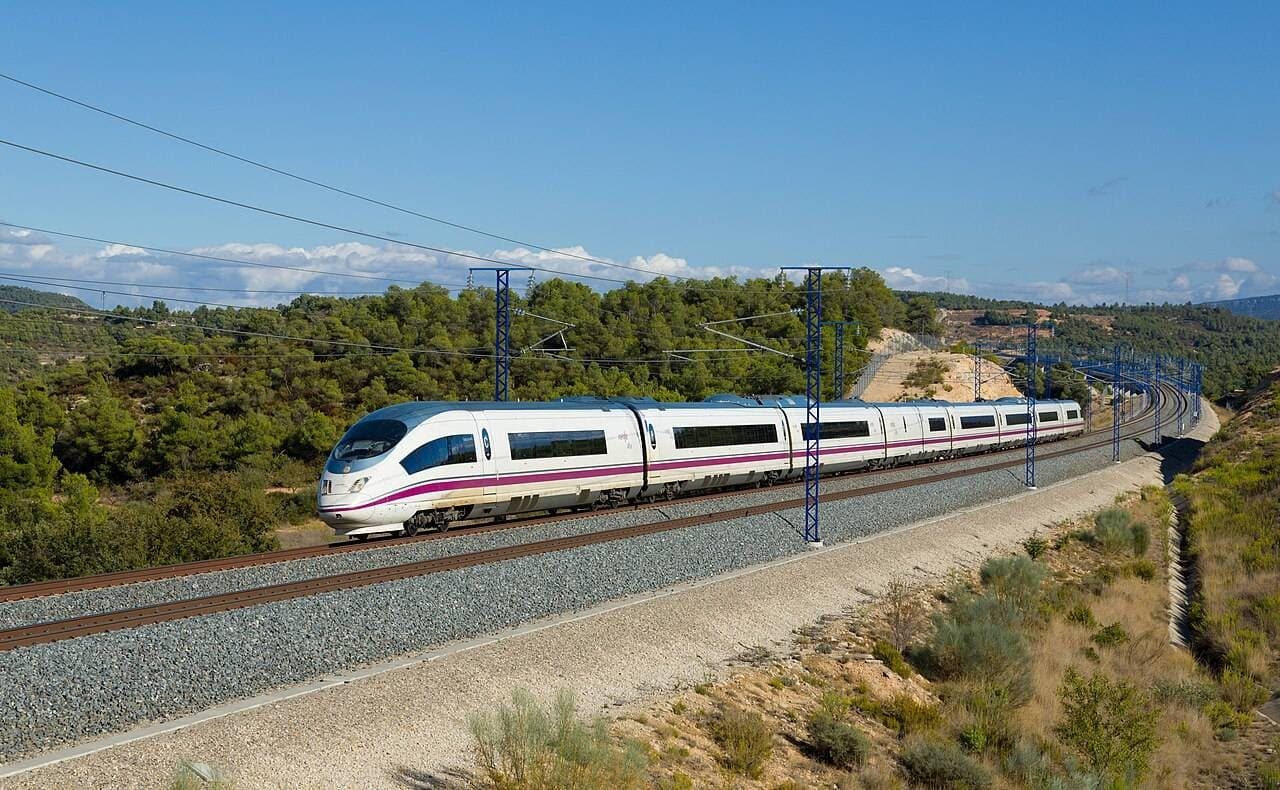
On Wednesday, October 28, at 8:53, Renfe train 2080, an AVE (Spain's state-run high-speed service), ran into the back of Iryo train 6076 (Iryo is a private high-speed operator), which was stopped on the Madrid–Andalusia high-speed line, at km 118, between Mora and Urda (Toledo). That is how it is described by the independent authority that investigates accidents, the AITAT, which has opened case file 146/2026 (Europa Press; the number appears on its official list of ongoing investigations).
The AITAT gives 69 dead, a provisional figure: it had earlier published 74 and corrected it (Europa Press). On October 30, the Castilla-La Mancha region reported 39 people in hospital, 17 of them in intensive care, and 71 discharged (RTVC). The Centro Integrado de Datos, the body that coordinates the identification of victims, still gave 69 dead on October 30; forensic doctors have carried out 48 autopsies. The Guardia Civil has received 70 missing-person reports, and two of those people were found alive: a report does not equal a missing person (El Semanal de La Mancha). How many victims have been identified is not settled: 13 according to the central government's office in the region (¡Hola!); earlier, El Semanal de La Mancha spoke of 5 identifications communicated to families.
The sequence
- AITATThe LZB failure begins. The LZB is the system that monitors train movements from the track. Trains switch to running under the BSL, which relies on the signals beside the trackWho says so: The AITAT, according to its statement as reported by the press. Minister Óscar Puente spoke of 8:30 and of a 63 km stretch (Público); in another appearance, of 69 km (CMM)
- Unauthenticated recordingsThe control center authorizes the AVE to disconnect and reconnect the LZB and to resume “under the BSL” (al amparo del BSL) with “normal running” (marcha normal)Who says so: Recordings published by Cadena SER, El País and elDiario.es (El Independiente)
- Unauthenticated recordingsThe Iryo train, stopped at the entry signal of Urda station, receives the same instructionWho says so: Recordings
- Unauthenticated recordingsAccording to the recordings, the Iryo train reports that it is still stopped and cannot re-arm the LZB. In the published excerpts there is no warning to the AVEWho says so: Recordings
- AITATCollision, at an estimated speed of 160 to 200 km/hWho says so: The AITAT. Iryo put the impact at 8:48; some live press coverage, at around 8:54
About the recordings: neither Adif (the state rail infrastructure manager), nor the Ministry, nor the court has confirmed that the leaked recordings are authentic or complete. The AITAT says it has reviewed the recordings and the phone log of the Atocha control center, but has not published their content. The CSIF and Semaf unions have criticized the leak (El Progreso).
What the regulations say, and why that is not enough to close the case
The Railway Traffic Regulations (Reglamento de Circulación Ferroviaria, Royal Decree 664/2015, BOE, Spain's official gazette) provide for several cases when the LZB fails:
- If transmission fails and the section ahead is occupied, the train stops and may only continue with “line-of-sight running” (Marcha a la Vista) as far as the next signal (art. 5ET3.4.3.4, pp. 59845–59846). That requires the driver to go at a speed that allows stopping before any obstacle or stop signal (art. 1.5.1.4.1).
- If the LZB is ordered to be disconnected, the message set by the regulations leaves the “running conditions” (condiciones de circulación) open (art. 5ET3.4.3.5). The order in the recordings follows that format.
- Maximum speed: the limit is 120 km/h if the train protection system is not operational, and 200 km/h if ASFA is working, a system that repeats the trackside signals in the cab and can brake the train (arts. 1.1.1.7 and 1.1.1.4; the current text keeps the 120 km/h limit).
What that means: based on the public regulations, it cannot yet be said that the “normal running” order broke them. It depends on which case applied and on what the signals showed. The minister maintains that the order was “wrong” and “inexplicable.” According to Telemadrid, an internal Adif instruction, operating notice COI 01/25 of February 2025, required line-of-sight running in this case. That notice is the key document, and it has not been published: we have not seen it.
The open questions
The AITAT speaks of a chain of failures, instructions and actions that “would have led to the collision” without “the necessary mitigation barriers” coming into play, and keeps all hypotheses open. These are the barriers in question:
- Why did the LZB fail? It is the original system of the Madrid–Seville line, and the AITAT will investigate the failure. According to Adif, quoted by OKDiario, the upgrade to ERTMS (the European train control system) is “in its final phase.” The train drivers' union says these faults are increasingly frequent (Libertad Digital), but it has not published data.
- What did the signals and ASFA do? Without the LZB, it is the trackside signals, repeated in the cab by ASFA, that protect an occupied section. According to Público, Puente referred to a red signal. It is not known what each signal showed as the AVE passed, or whether ASFA acted.
- Why did no one warn the AVE after the Iryo train's 8:48 call? This depends on unauthenticated recordings.
- What happened with the Iryo train? Puente says it did not carry out the order to resume “for unknown reasons” (65 y más). Iryo maintains that its train stayed stopped because it received no instructions to move (Libertad Digital). According to the published recordings, the Iryo train received the instruction at 8:41 and could not re-arm the LZB. Sources close to Iryo speak of two failed attempts (El Progreso).
- Were there earlier warnings? According to a live news-agency report, Iryo's chief executive said weeks earlier in the Senate that drivers had warned Adif about how slowly the system reconnected after LZB failures. We have not checked this in the Senate record. Iryo is an interested party.
Who is investigating
- The court. Court no. 2 of the Tribunal de Instancia of Orgaz placed the case under seal, ordered the black boxes to be secured and requested the control center's data and Adif's protocols. The data from the trains' recorders will be extracted under conditions set by the court. The Ministry of Justice reinforced the court with four more judges, five court clerks and the senior regional prosecutor.
- The AITAT. It carries out the technical investigation, separate from the judicial one. Its final report is expected, in principle, within a year.
- Complaints and lawsuits. Manos Limpias filed a complaint over the accident for causing havoc (estragos) and reckless homicide, with allegations about maintenance that have not been proven. Vox filed a lawsuit against Puente before the Supreme Court (El Progreso).
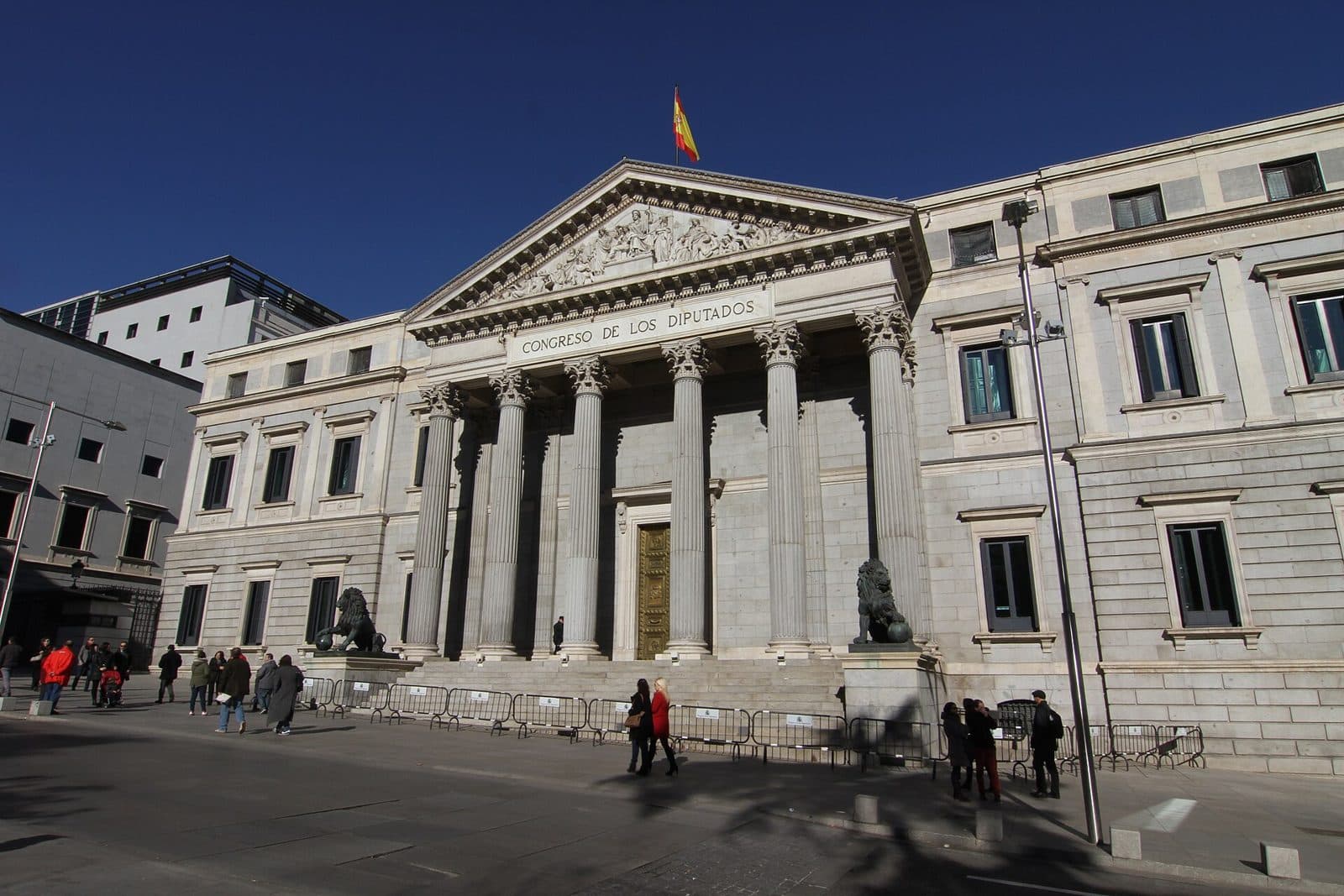
- The minister. At a press conference on October 30, Puente said he will not resign and that the evidence points to “a failure in Adif's control center.” He added that he will not use “any worker as a shield, nor prejudge responsibilities” (EFE in Diario de León). That is his version: neither the AITAT nor the court has established the cause. He will appear before the Diputación Permanente of Congress (the standing committee that acts while Parliament is dissolved) on Tuesday, November 3, at 17:00 (RTVC).
Be careful with what is circulating
Photos of other accidents (Adamuz and Ricla), an image edited with AI and theories of sabotage or hackers have no evidence behind them (Maldita.es). EFE Verifica has also documented a campaign by pro-Russian accounts that blames the crash on hackers linked to the US Democratic Party, also without any evidence (reported by Demócrata).
What we don't know
- Whether the leaked recordings are authentic and complete.
- The text of Adif's operating notice COI 01/25, and which case of the regulations applied.
- The exact speed of the AVE, which will come from the recorders.
- What the signals showed and whether ASFA acted.
- Why the LZB failed.
How many victims have been identified.Resolved: see the November 10 update.
Not the first this year
In January, another high-speed accident killed 46 people in Adamuz (Córdoba), and the investigation points, provisionally, to a broken rail (Europa Press in Última Hora). Adif maintains it has not been proven that the break caused the derailment (Andalucía Información). Until now Spain had few rail deaths for the size of its network, and most were people struck by trains, not passengers (Eurostat). This year, according to the ACN news agency, no other rail accident in Europe has reached five deaths. In part 2 we will look at what the data say about the safety of the network: how much is spent on maintenance, which protections failed and which questions remain unanswered.
How we did it
- Sources. We read the regulations in the BOE, with article and page, and the published statements, notes and transcripts, linked above. We have not been able to open the AITAT's original statement: its website only shows the case number, and we cite the statement through Europa Press and other media.
- Limits. We did not have access to the control center's records. We have not asked Adif, the Ministry, Renfe or Iryo for their version for this piece: we report what they have said in public. We do not name the workers involved or the victims.
- Review. Prepared with the help of AI, reviewed by another AI and approved by the editor before publication. If you find a mistake, write to us: corrections are published here.
English version, October 30, 2026: translated from the Spanish original with the help of artificial intelligence and reviewed by the editor of The Contrast. Same facts, figures and sources; the names of Spanish institutions and the exact words of the regulations and the recordings are kept in Spanish.
Keep reading

The Contrast · Stories in context · Series “Trains in Spain, 2026,” part 1 of 2. More stories